
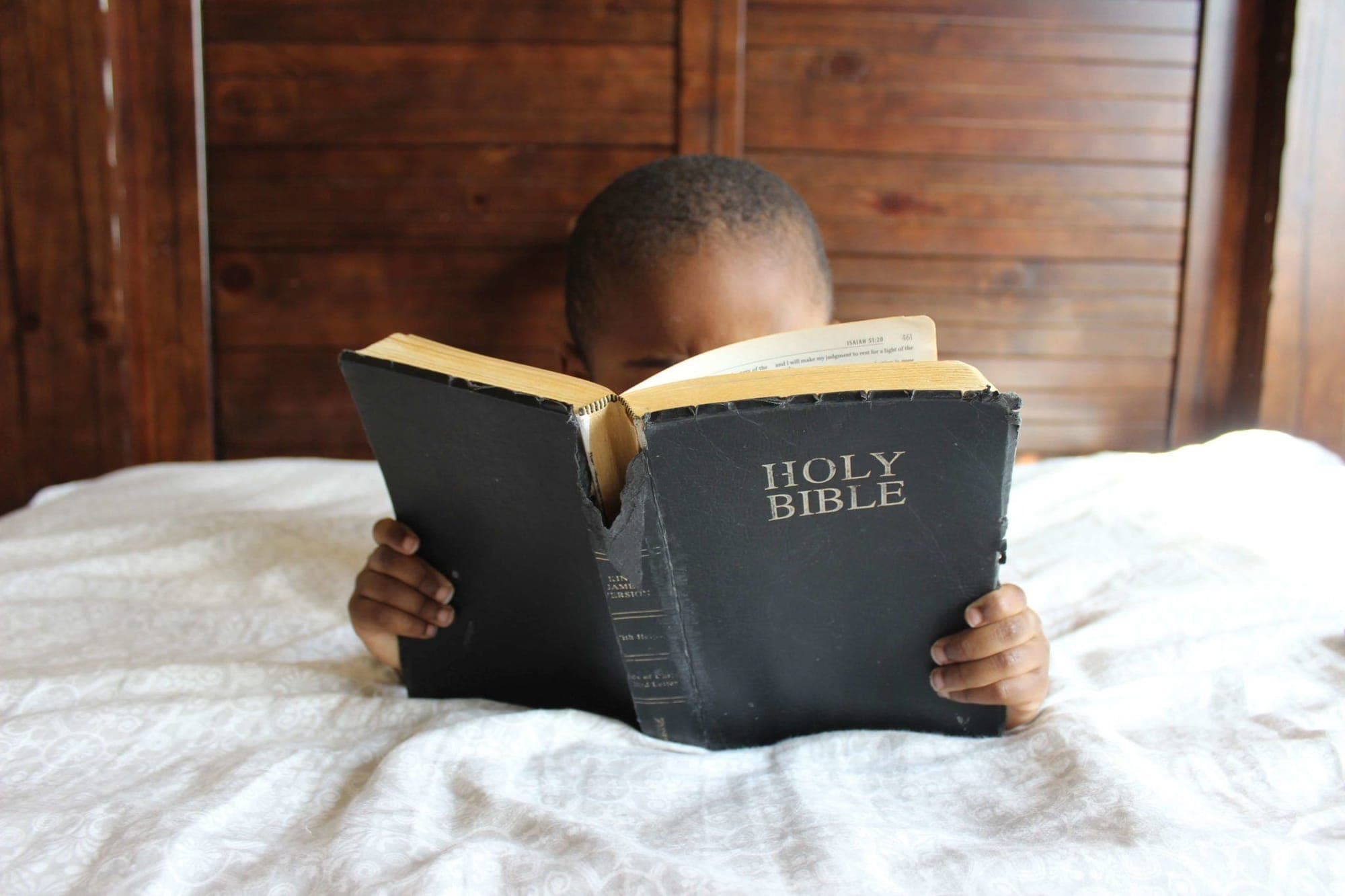
Every mother wants her children to know God, not merely know about Him. That distinction matters more than it first appears. Knowledge can be recited; a child can pass a Bible quiz and still not know the One the verses describe. Relationship must be lived, and it is usually caught before it is taught.
And these words, which I command thee this day, shall be in thine heart: And thou shalt teach them diligently unto thy children, and shalt talk of them when thou sittest in thine house, and when thou walkest by the way, and when thou liest down, and when thou risest up. (Deuteronomy 6:6-7, KJV)
Notice where that instruction lives: not in a classroom, but in the ordinary traffic of a day, sitting, walking, lying down, rising up. Discipleship in the home is woven into normal life, not bolted on as an extra subject.
Small, Repeated Moments Matter More Than Big Speeches
Children absorb faith less from formal lessons and more from what they observe: how you pray when you're anxious, how you speak about people who are not in the room, how you respond when plans fall apart, whether you apologize when you are wrong.
Faith formation is rarely a single conversation. It is a thousand small, ordinary moments, at the dinner table, in the car, before bed, where the reality of God becomes evident, not performed. Your children are not waiting for a flawless mother. They are watching a real one walk with God through real life.
Let Them See The Process, Not Just The Polish
It is tempting to show our children only a tidy, resolved faith. But they are strengthened when they see us bring fear to God and leave lighter, confess sin and receive grace, wait on an answer that has not yet come and keep trusting anyway.
Pray out loud in front of them, including the honest prayers. Tell them, in age-appropriate ways, about a time God provided or carried you. A faith that has visibly cost you something is far more persuasive than a faith that only ever looks easy.
Make The Bible A Voice, Not A Rulebook
If Scripture only ever shows up in your home as correction, children learn to associate God's Word with being in trouble. Read it also for comfort, for wonder, for encouragement. Let them hear you say, "Let's see what God says about this," when you are afraid or unsure, so they learn the Bible is where you go to find help, not just rules.
Aim For The Heart, Not Just Behavior
It is possible to raise a well-behaved child who does not love God. Obedience matters, but shepherd the heart, not only the conduct. When you correct, connect it to who God is and who they are: "We tell the truth because God is truth, and He made you to be trustworthy."
Train up a child in the way he should go: and when he is old, he will not depart from it. (Proverbs 22:6, KJV)
Give It Time, And Give It To God
You are planting seeds that may not bear visible fruit for years. There will be seasons of questions, resistance, and apparent indifference. Keep sowing. Keep praying their names. The same God who is patient with you is at work in them.
Prayer Points
Father, help me to live a genuine faith in front of my children, so that what they catch from me is true, in the name of Jesus.
Lord, capture the hearts of my children for Yourself, so that they do not merely know about You, but know You, in the name of Jesus.